
Livestock Water Storage Tanks — Cattle, Ranch & Water Hauling
Need closed vertical water storage for the ranch? The 317 gallon (300 gallon class) tank is $300. Call for pricing on the 150 and 375 gallon tanks. Valve and bulkhead are paid add-ons. Factory direct from Houston.
Call (832) 640-3399 · sales@dmzsystems.co · 5802 W Sam Houston Pkwy N, Houston, TX 77041
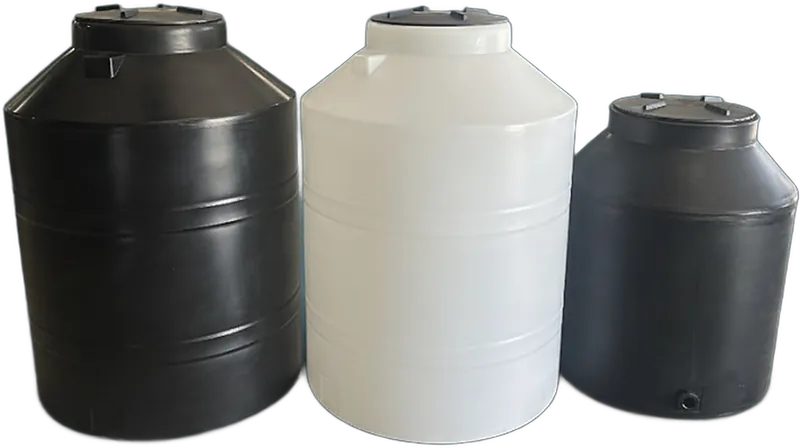
- 150, 317 gallon (Aquatank), and 375 gallon vertical polyethylene tanks
- Closed storage that can supply the customer’s troughs — not an open stock trough
- Factory direct from Houston — Pickup in Houston (8 AM to 5 PM or by appointment); local delivery up to 30 miles; call or message for shipping to other areas.
- Standard colors: translucent white or black (natural on request)
- The resin we use to mold DMZ tanks meets FDA specifications for safe storage of potable water.
A livestock water storage tank is a closed vertical polyethylene tank that holds water for cattle and other livestock — typically feeding the customer’s troughs, ranch plumbing, or a fill point — rather than serving as an open watering trough. DMZ molds 150, 317, and 375 gallon vertical tanks in Houston for small herds, horse properties, and rural pads across Texas, New Mexico, southern Oklahoma, Louisiana, and Arkansas.
Stock trough vs vertical storage — know the difference
Open stock tanks are vessels animals water from. Vertical poly tanks are holding and supply vessels: fill them from a well, a water hauler, or rainwater catchment, then feed a trough or hose as needed. That closed reserve is what this page sells. DMZ does not sell open stock troughs, trough fittings, or floats. Every tank includes its 18″ lid; the 1.5″ bulkhead, valve, and multi-connector are add-ons (valve is paid).
How much water livestock need — planning ranges
Texas A&M AgriLife Extension publication E-450 (Rainwater Harvesting for Livestock) lists average daily consumption ranges: cattle about 7 to 18 gallons per day; horses 8 to 18; sheep and goats 1 to 4; with a general planning rule of 2 gallons per 100 pounds of body weight daily. Source PDF: AgriLife E-450.
AgriLife Today heat-stress guidance notes intake can rise from about 1 gallon per 100 pounds in cold weather toward nearly 2 gallons per 100 pounds in the hottest weather, and that lactating cows may need nearly twice as much as non-lactating cows. These are planning aids from AgriLife — not a DMZ herd calculator. Call (832) 640-3399 to match tank size to refill frequency. The 317 gallon (300 gallon class) tank is $300. Call for pricing on the 150 and 375 gallon tanks. Valve and bulkhead are paid add-ons.
Sizes for small herds and ranch pads
- 150 gallon — small pens, horses, or a starter reserve beside a trough
- 317 gallon Aquatank — compact vertical capacity for many small-herd and homestead setups; 317 gallon product page
- 375 gallon — more days between fills when you haul water or run a slow well
Product family: Aquatanks. Confirm add-ons (1.5″ bulkhead, valve, multi-connector) when you order — the valve is a paid add-on. Every tank includes its 18″ lid.
Water hauling — store what the truck delivers
Many rural Texas and New Mexico properties haul water, then need somewhere clean to keep it. DMZ tanks are on-site storage after delivery — not vehicle or trailer tanks. Place the tank on a level pad, confirm fittings with DMZ, and plan how you will move water to the troughs you already own.
Drought and heat — why closed reserve matters
During drought and heat, livestock need reliable daily access to water. Texas A&M Veterinary Medical Diagnostic Laboratory (TVMDL) drought hydration guidance stresses keeping cattle healthy and hydrated and not letting watering points run empty (TVMDL drought hydration). A closed vertical reserve beside the pad helps bridge hauler gaps and slow wells. Dual-use household/ranch reserve: emergency water storage tanks.
Closed storage also reduces how often troughs sit empty between fills — the failure mode TVMDL drought guidance warns against when cattle lose reliable access. Pair AgriLife planning ranges with a real refill schedule, then pick the tank. Sources stay linked above so you can verify the gallons-per-head figures yourself rather than trusting an unsourced blog table.
Rainwater and well water on the ranch
The same vertical tanks work for rainwater catchment that supplies outdoor livestock water, and as holding tanks for well water. Catchment basics: rainwater harvesting tanks. Roof math: gallons from your roof. Well holding context: well water storage tanks. Spray-rig ranches may also review chemical nurse tanks (call to confirm chemical compatibility).
Color under ranch sun
Standard colors are translucent white or black; natural is available on request, and pretty much any color can be done. Black and white are not tied to water or chemical use. Translucent white can help show level at a glance. See black vs white vs translucent.
Where we ship — Texas, Louisiana, Arkansas, southern Oklahoma, New Mexico
Service emphasis includes Texas, Louisiana, Arkansas, southern Oklahoma, and New Mexico. Pickup in Houston (8 AM to 5 PM or by appointment); local delivery up to 30 miles; call or message for shipping to other areas. Westbound ranch buyers: New Mexico and rainwater tanks New Mexico.
Across the South-Central service area the same closed vertical tank shows up in different jobs: a Hill Country horse property buffering weekend hauler drops; a Panhandle or eastern New Mexico cattle pad bridging slow recovery; a Louisiana or Arkansas small-herd setup that wants reserve when summer heat lifts intake per AgriLife guidance. Freight or Houston pickup covers those pads with one mid-size ladder — 150, 317, and 375 gallon — rather than another open stock-trough catalog page.
When you call, describe species, approximate headcount, climate, and how often water arrives. We will help pick among 150, 317, and 375 gallon and confirm 1.5″ bulkhead / valve / multi-connector add-ons (valve is paid). DMZ does not supply trough hardware, floats, or low-level cutoffs; those stay with equipment you already own. The 317 gallon (300 gallon class) tank is $300. Call for pricing on the 150 and 375 gallon tanks. Valve and bulkhead are paid add-ons.
Matching herd demand to refill frequency
AgriLife’s ranges help you estimate daily demand; storage size then follows how often a hauler, well, or catchment can refill. Example planning only: ten cattle at the midpoint of AgriLife’s 7–18 gallon range need on the order of 100+ gallons per day in moderate weather — and more in heat per AgriLife Today — so a 317 gallon or 375 gallon closed reserve is a buffer between fills, not a week-long solo supply for a large herd. Small horse or goat setups may be fine with 150 gallon. Call (832) 640-3399 with headcount, climate, and refill cadence. The 317 gallon (300 gallon class) tank is $300. Call for pricing on the 150 and 375 gallon tanks. Valve and bulkhead are paid add-ons.
Customers typically plumb or hose from the vertical tank to troughs they already own. DMZ supplies the closed holding tank and optional 1.5″ bulkhead / valve / multi-connector add-ons (valve is paid). We do not offer trough fittings, floats, or low-level cutoffs.
Factory-direct buying means you talk to the Houston rotomolder — not a multi-brand farm-store grid of open troughs. Ask about current 150, 317, and 375 gallon availability, color, and 1.5″ bulkhead / valve / multi-connector add-ons (valve is paid). Browse Aquatanks for the product family, then call (832) 640-3399 or email sales@dmzsystems.co. Pickup in Houston (8 AM to 5 PM or by appointment); local delivery up to 30 miles; call or message for shipping to other areas. The 317 gallon (300 gallon class) tank is $300. Call for pricing on the 150 and 375 gallon tanks. Valve and bulkhead are paid add-ons.
FAQ — livestock water storage
What is the difference between a stock tank and a livestock water storage tank?
A stock tank is typically an open vessel animals water from. A vertical poly livestock storage tank is closed holding capacity that can supply the customer’s troughs or ranch plumbing. DMZ molds vertical storage tanks in 150 gallon, 317 gallon, and 375 gallon sizes — not open stock troughs.
How much water do cattle need per day?
Texas A&M AgriLife Extension (E-450) lists average daily consumption for cattle at about 7 to 18 gallons, with a general planning rule of 2 gallons per 100 pounds of body weight daily (AgriLife E-450 PDF). AgriLife notes intake rises in heat and that lactating cows may need nearly twice as much as non-lactating cows (AgriLife Today heat guidance). Match storage size to herd and refill schedule — call (832) 640-3399. The 317 gallon (300 gallon class) tank is $300. Call for pricing on the 150 and 375 gallon tanks. Valve and bulkhead are paid add-ons.
Can DMZ tanks store hauled water for livestock?
Yes. They are commonly used as on-site storage after a water hauler fills them. They are not designed as truck or trailer tanks. The resin we use to mold DMZ tanks meets FDA specifications for safe storage of potable water. Factory direct from Houston.
Do you sell trough fittings or floats?
No. Every tank includes its 18″ lid. The 1.5″ bulkhead, valve, and multi-connector are add-ons (valve is paid). We do not offer trough fittings or floats. Customers use their own trough equipment.
What sizes are available?
150 gallon, 317 gallon (Aquatank — see 300 gallon livestock water tank), and 375 gallon. The 317 gallon (300 gallon class) tank is $300. Call for pricing on the 150 and 375 gallon tanks. Valve and bulkhead are paid add-ons.
Ready for a ranch tank quote? The 317 gallon (300 gallon class) tank is $300. Call for pricing on the 150 and 375 gallon tanks. Valve and bulkhead are paid add-ons. Factory direct from Houston.
Call (832) 640-3399 · sales@dmzsystems.co
5802 W Sam Houston Pkwy N, Houston, TX 77041
Pickup in Houston (8 AM to 5 PM or by appointment); local delivery up to 30 miles; call or message for shipping to other areas.
Browse Aquatanks · New Mexico · Emergency water storage · Well water storage